"There will be no response other than the barbaric if we do not learn to couple together multiple, divergent struggles and engagements in this process of creation, as hesitant and stammering as it may be." – Stengers2015:50
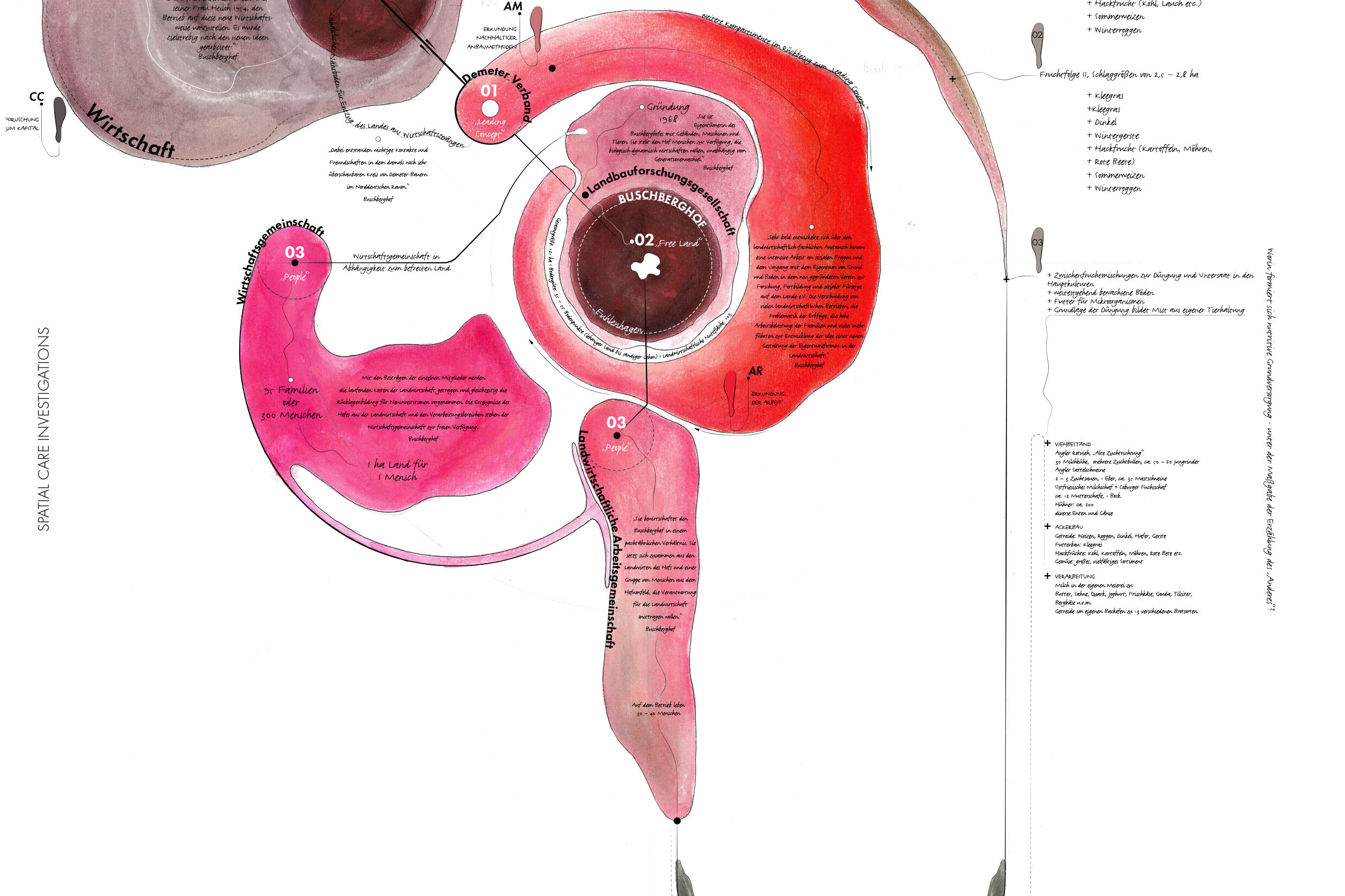
The Institute for the History and Theory of Architecture and the City at the Technical University Braunschweig is dedicated to the investigation, analysis and documentation of the polito-economical frameworks and ethical demands for architecture and architects in the context of a new civil society
.
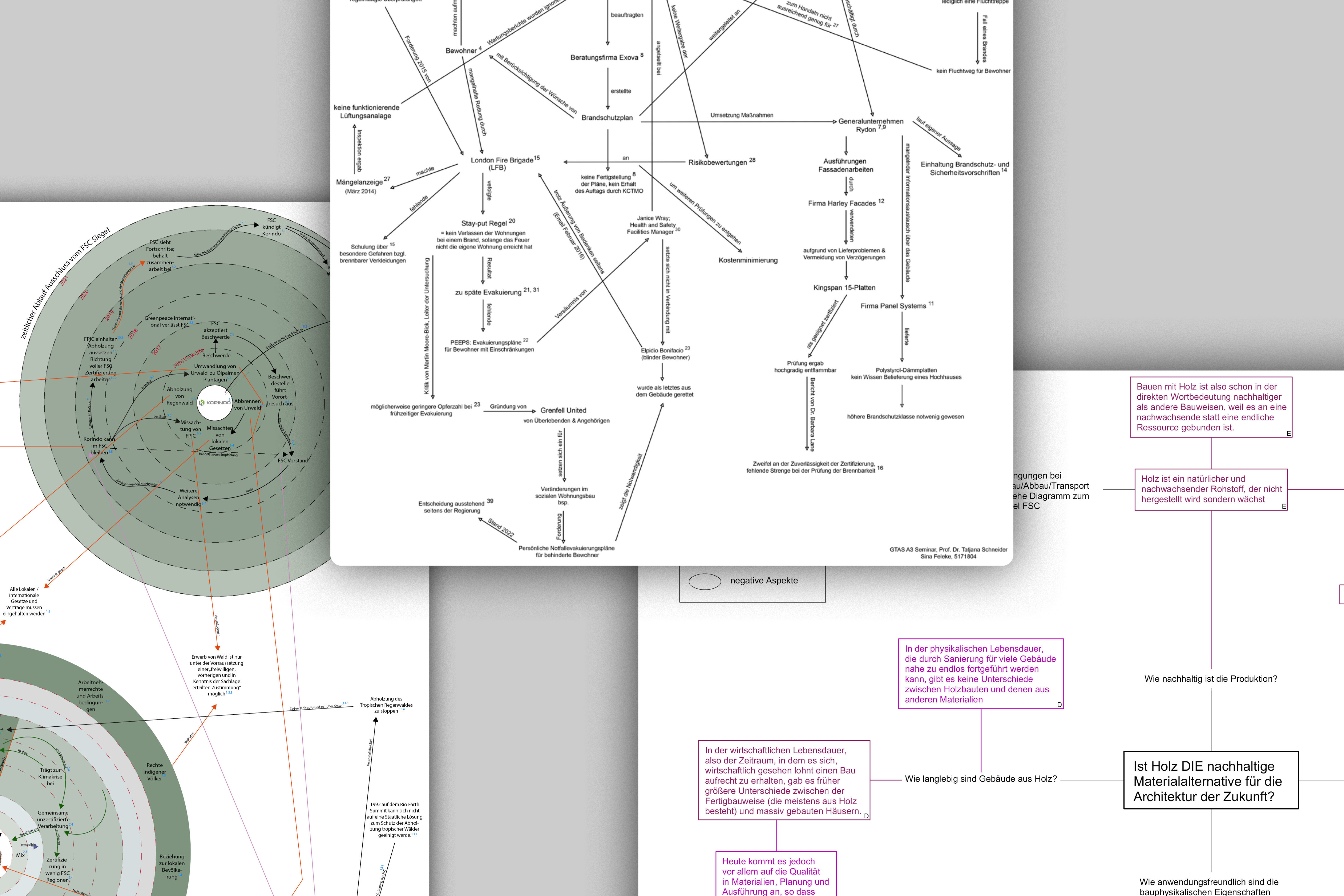
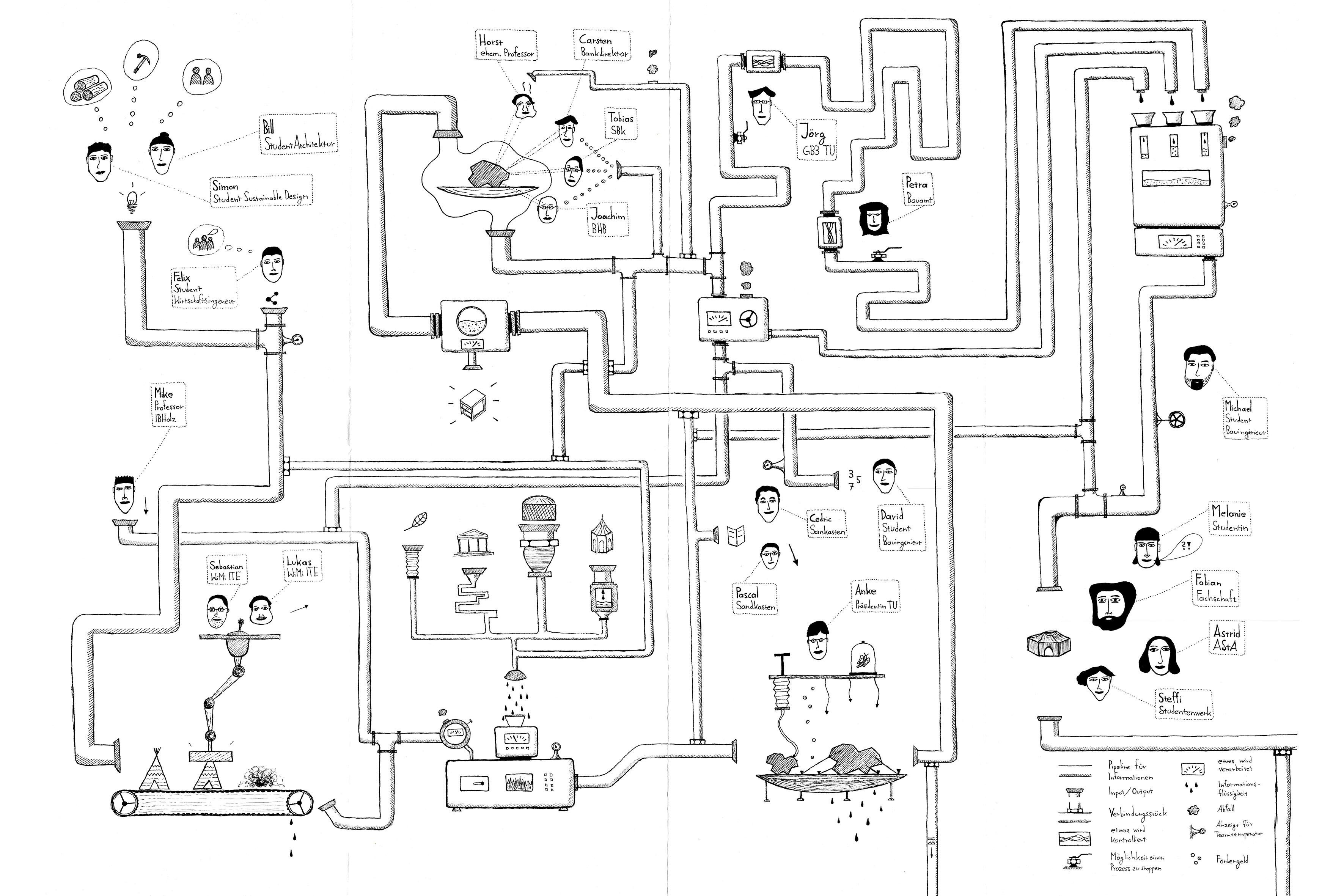
We consider the making-visible and, therefore, understanding of decision-making structures as an essential if not indispensable instrument for a negotiable, transformative and emancipatory production of space. This is important as other ways of doing become thinkable only when questions about privilege, interests, power or agency are exposed and their distinctive layers revealed. The much-demanded right to the city, for example, can only be realised if and when the very systems that produce architectural projects and objects become the focus of investigation.
This critical-reflexive point of departure is anchored in teaching and research through the exploration of historical lines of flight and is situated within interdisciplinary discussions and trans-local concerns so that contemporary issues — migration, the housing question, climate change or agency — become framed and embedded in wider debates. With this approach, we are positioning ourselves against the modernist fragmentation and abstraction of knowledge. Instead, the Institute is concerned with drawing attention to and investigating complex machines or apparatuses and the subsequent configuration of other trajectories and imaginaries.
The Institute for the History and Theory of Architecture and the City (GTAS) and the Collection for Architecture and Engineering (SAIB) are headed by Tatjana Schneider.